Technology
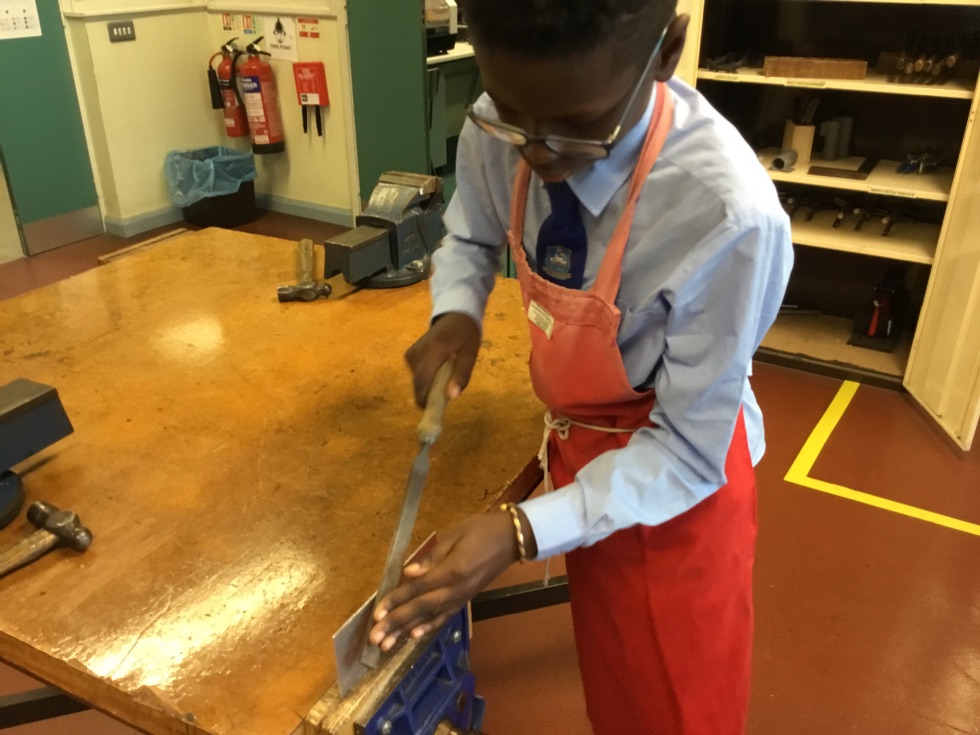
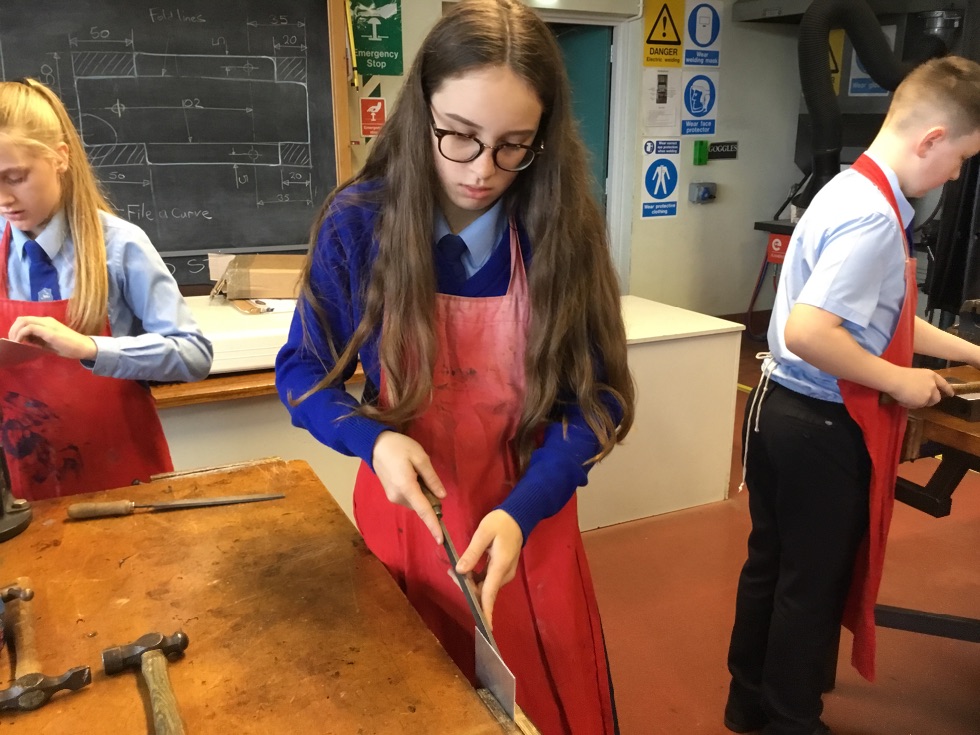
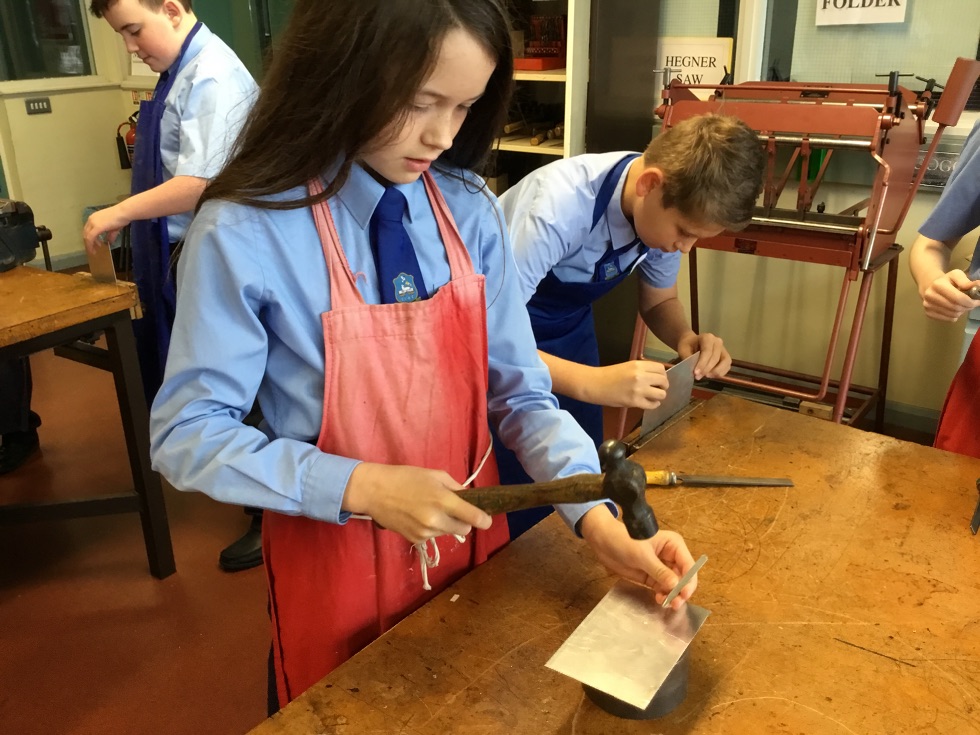
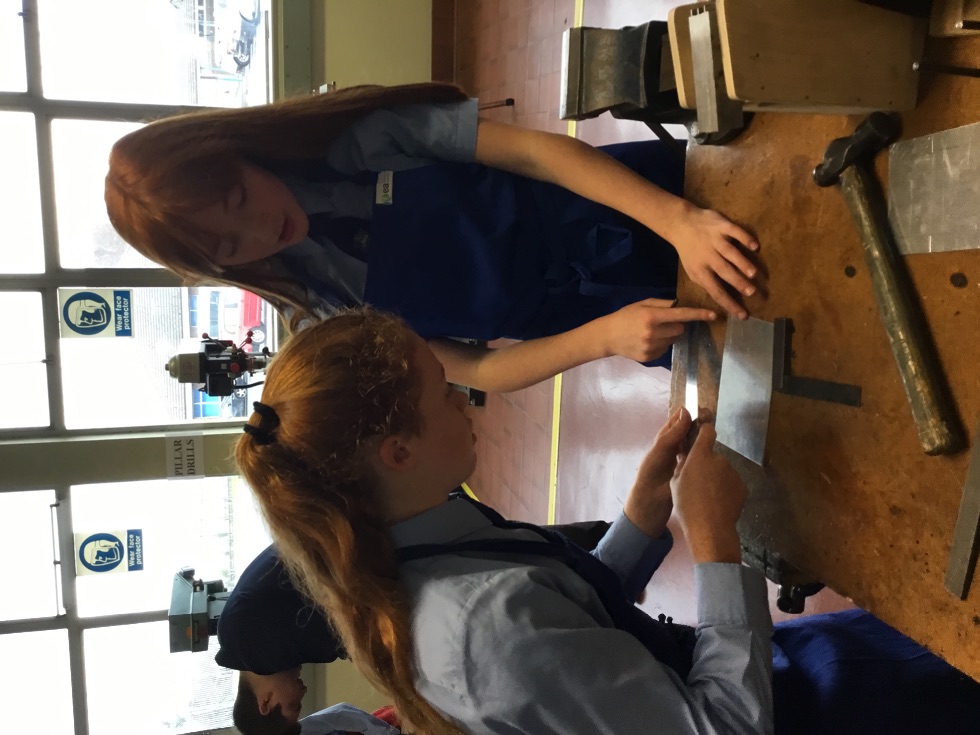
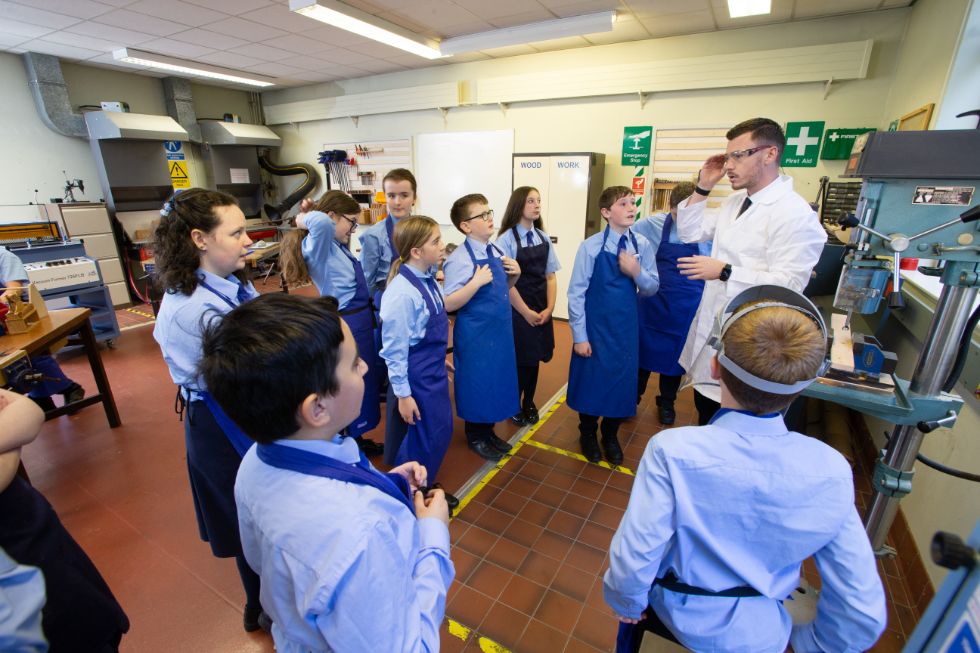
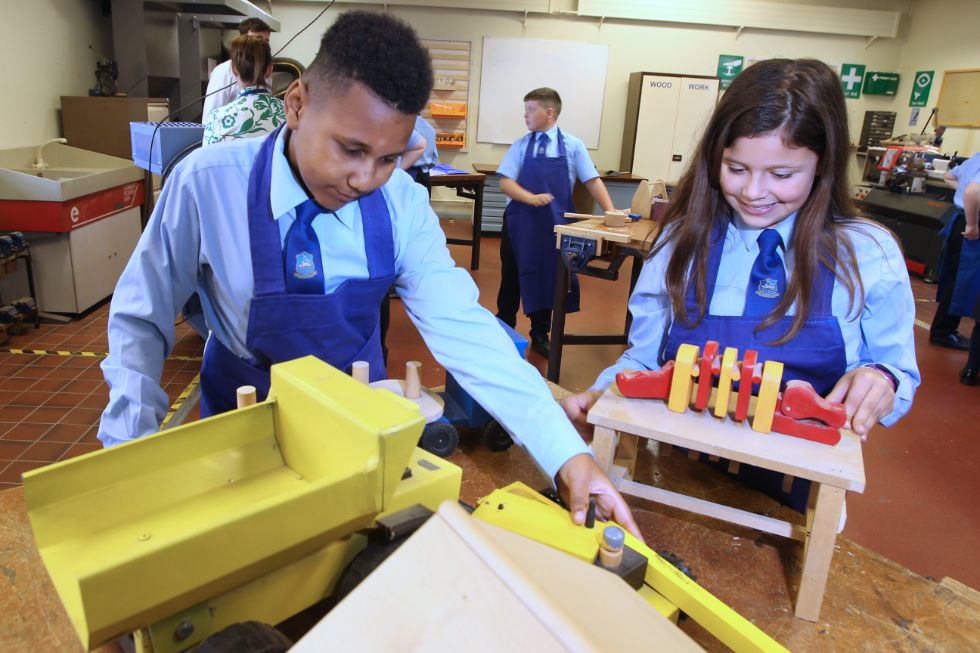
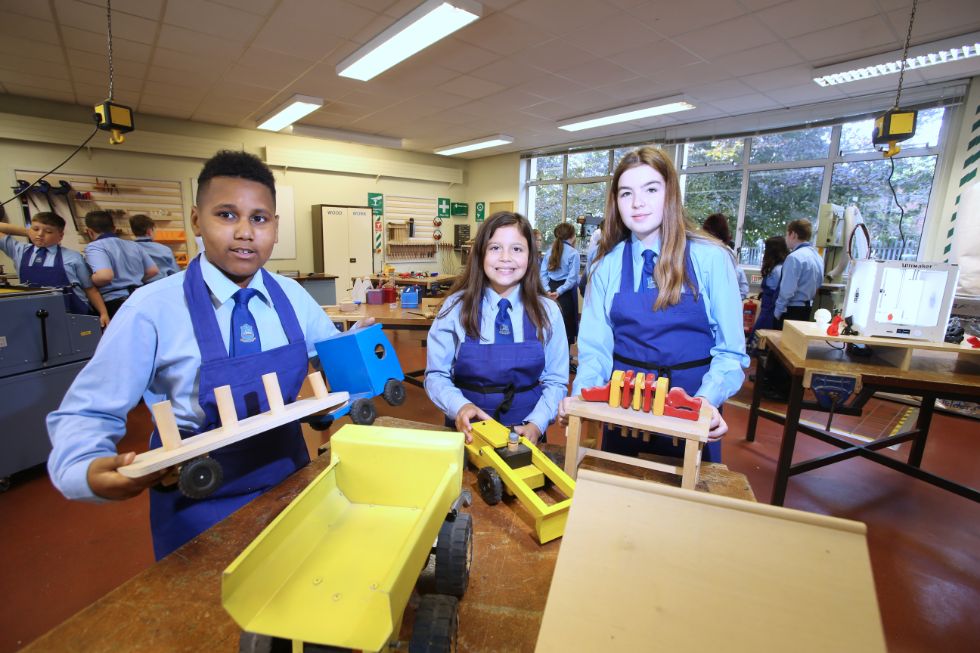
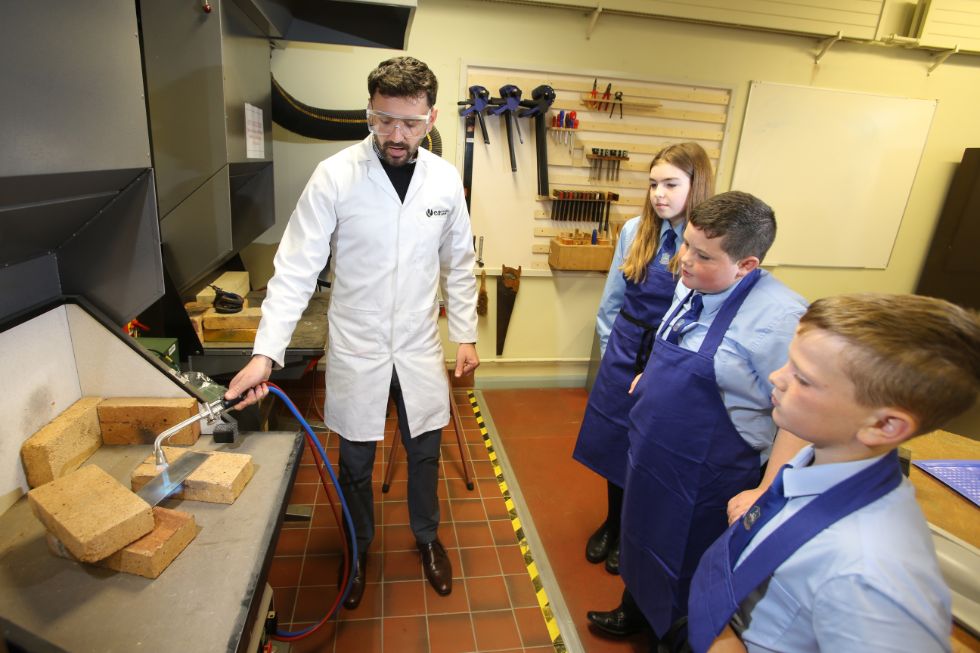

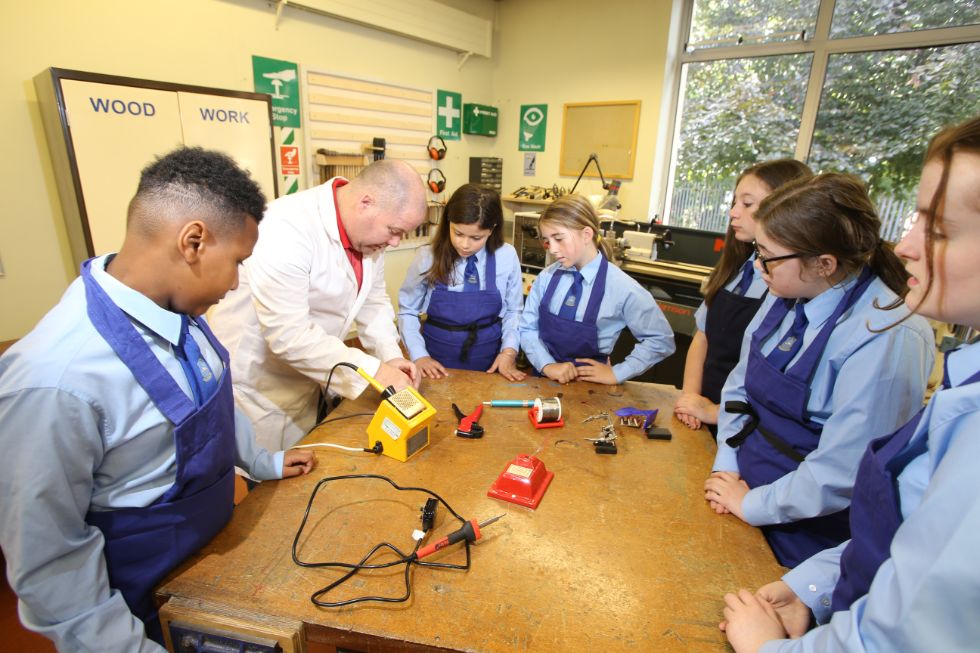
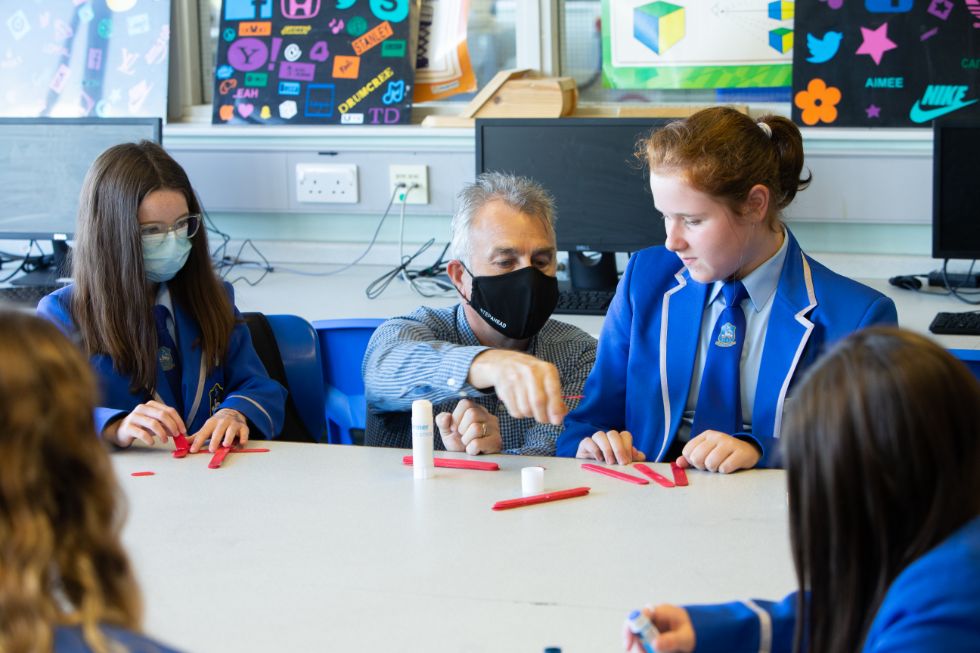
As we live in a high technology society it is fair to say that our way and quality of life as well as our standard of living is dependent to a large extent upon the manufacture of sophisticated products and, of course, all of these have to be designed. Technology & Design is an exciting subject which provides opportunities for pupils to solve all sorts of problems in a practical way by designing and making things.
Technology Department staff:
Mr R McCabe
Miss E Lavery
Mr P McSherry
Mr D Feeney (Technician)
KS3 Overview
Key Stage 3
Here in the TD Department of St John the Baptist’s, pupils will develop skills in:
Materials: working with wood, metal and plastic
Graphics: 2D and 3D drawing techniques
CAD: Computer Aided Drawing (Solidworks package)
Fabrication: Joining materials using the most appropriate method Finishing techniques: Producing a high quality finish on a range of materials
Energy and control
Working with tools and machinery is an important part of this subject. Pupils gain experience and confidence working in a safe, controlled and enjoyable environment.
KS4 Overview
While Technology and Design is a subject covered by all pupils at KS3 (Year 8 to Year 10) pupils will have an opportunity of continuing their studies in Technology in Years 11 & 12.
Currently the department offers the following qualifications.
GCSE Technology & Design
This is offered at the College to Key Stage 4 pupils as a two year GCSE course taken through the CCEA examining board.
The specification has been designed to encourage candidates to be able to design and make products with creativity and originality, using a range of materials and techniques. The specification is also designed to foster awareness amongst candidates, of the need to consider sustainability and the environmental impact of their designing.
The assessment is divided into 3 components:
| Unit 1 | Unit 2 | Unit 3 |
| Core Content | Optional area of study (Product design) | Design and Manufacture Project |
|
|
|
| 25% | 25% | 50% |
Occupational Studies Construction
This is one of two vocational qualifications offered by the Technology department. It is designed to be accessible with learners of all abilities and provides them with the practical skills and basic knowledge required to manufacture items made from solid timber and manufactured board.
This Occupational Studies qualification is targeted at learners working towards and at Level 1 and 2 within the National Qualifications Framework (NQF). It is a Single Award accredited by CCEA and involves pupils completing two units. The Units offered by St John the Baptist’s College are outlined below.
Unit 1: Carpentry and Joinery
This unit requires the learner to demonstrate in a practical way the ability to use basic Carpentry and Joinery hand tools safely in the construction industry. Pupils will also manufacture a range of products incorporating a wide range of joints and joining methods.
Unit 2: Bench Joinery
This unit is designed to provide increased vocational skills in bench joinery and associated activities. It requires the learner to demonstrate in a practical way the ability to use an increased number of Carpentry and Joinery hand tools and basic hand-held power tools. Pupils will also learn basic techniques of cutting, boring and planning to produce construction related components.
Occupational Studies Engineering
This is one of two vocational qualifications offered by the Technology department. It is designed to be accessible with learners of all abilities and provides them with the practical skills and basic knowledge required to manufacture components in metal.
This Occupational Studies qualification is targeted at learners working towards and at Level 1 and 2 within the National Qualifications Framework (NQF). It is a Single Award accredited by CCEA and involves pupils completing two units. The Units offered by St John the Baptist’s College are outlined below.
Unit 1: Manufacturing Techniques - Fabrication (Sheet Metal Work)
This unit requires the learner to demonstrate in a practical way the ability to cut, form, and join sheet metal. It is anticipated that these processes will include using hand tools such as shears, guillotines, hammers, files, hacksaw, folding machines, drills and measuring equipment such as rule, square and protractor.
Unit 2: Manufacturing Techniques - Assembly (HandFitting)
This unit requires the learner to demonstrate in a practical way the ability to use hand tools such as hack saws, files, square, hammers, centre punch, tap and die, scribers, spanners and screwdrivers. The unit also requires the learner to demonstrate the ability to measure accurately using measuring equipment such as rules, verniers, gauges and micrometers.
GCSE Construction and the Built Environment
Content:
Unit 1: Introduction to the Built Environment
Unit 2: Sustainable Construction
Unit 3: The Construction Craft Project.
Unit 4: Computer Aided Design in Construction.
Exams:
Unit 1: Introduction to the Built Environment (20% of overall grade)
You will develop an understanding of construction and the built environment, the importance of health and safety in the construction industry, and the employment opportunities in the industry.
Written exam – 1 hour, taken at the end of Year 11
Unit 2: Sustainable Construction (30% of overall grade)
You will interpret drawings of domestic buildings and demonstrate awareness of the issues surrounding sustainable development in the construction industry.
Written exam – 1 hour 30 minutes, taken at the end of Year 12
Controlled Assessment (Coursework):
Unit 3: The Construction Craft Project (25% of overall grade)
- You will carry out a timber based craft project under controlled conditions.
- You will produce a craft evaluation and a craft product.
Unit 4: Computer Aided Design in Construction (25% of overall grade)
- You will develop an understanding and a working knowledge of CAD in the construction industry.
- You will produce a portfolio